Home › Guides
Cat Food Allergies: Signs, Causes and Elimination Diets
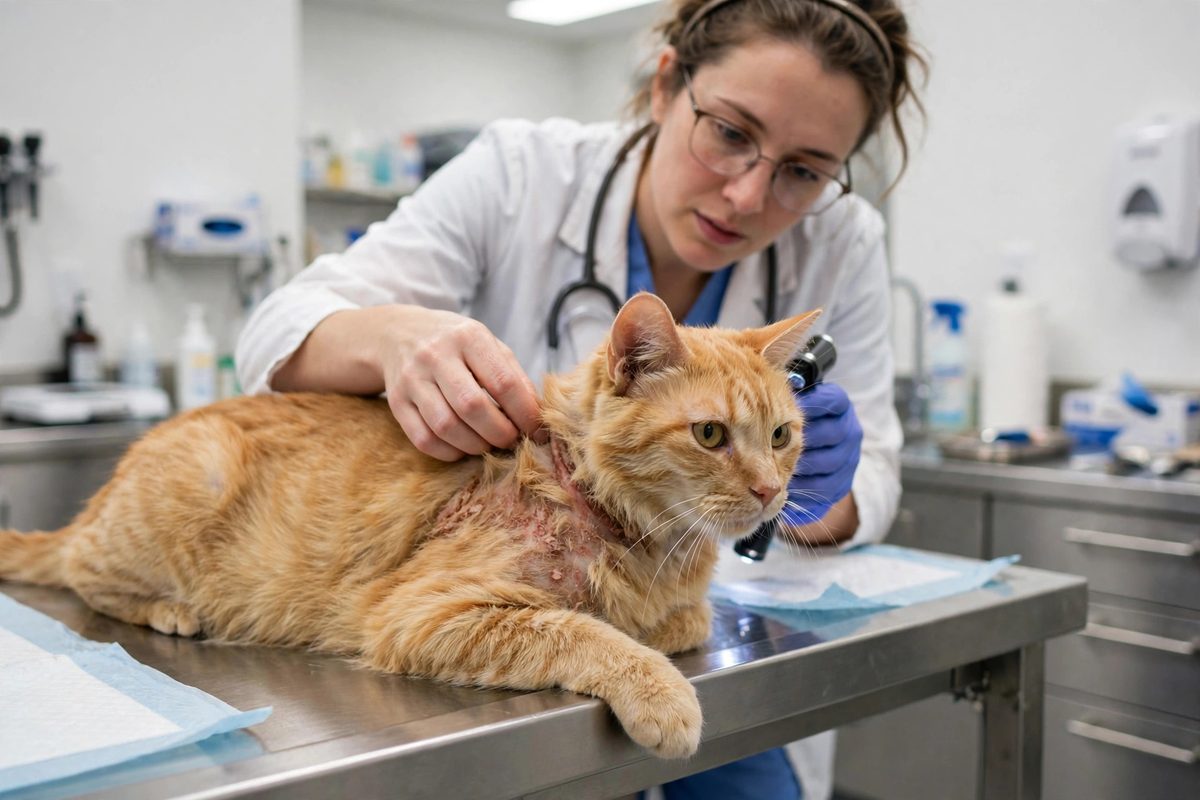
Food allergy is often blamed for every itch and upset stomach, but true food allergy is less common than owners think. When it does happen, it can cause months of misery: itchy skin, ear infections, and digestive problems that never quite settle. The good news is that food allergy can be diagnosed and managed, usually by finding the one ingredient that causes the problem.
Allergy or intolerance?
A food allergy is an immune reaction to a protein in the food, most often chicken, beef, fish, or dairy. A food intolerance is a digestive reaction, such as an upset stomach from milk, without an immune response. The symptoms overlap, but the distinction matters because an allergy needs the trigger removed completely, while an intolerance may allow small amounts.
Food allergy usually develops after a cat has eaten the same protein for a long time. It is not usually caused by a new food. If a cat suddenly reacts to a food it has eaten for years, allergy is possible, but other causes should be checked first.
The signs to look for
The most common sign is itchy skin, especially around the head, neck, and ears. The cat may scratch, over-groom, or develop small scabs. Recurrent ear infections, vomiting, diarrhoea, and flatulence can also be signs. A food allergy can cause skin problems, digestive problems, or both.
Because these signs have many causes, including fleas, environmental allergies, and infections, a vet should check the cat before you assume food is the cause. Fleas alone cause most itchy skin in cats, so flea treatment is usually the first step.
The elimination diet
The only reliable way to diagnose a food allergy is an elimination diet. The cat eats a single protein and a single carbohydrate it has never eaten before, or a hydrolysed diet where the protein is broken into pieces too small to trigger the immune system. This diet is fed for eight to twelve weeks, with no treats, table scraps, or flavoured medicines.
If symptoms improve, the vet will reintroduce one protein at a time, a process called a food challenge, to identify the trigger. Blood tests and skin tests for food allergy in cats are unreliable and are not a substitute for an elimination diet.
Living with a food allergy
Once the trigger is known, the cat needs a diet without it, for life. Read labels carefully, because a food can contain a trigger protein even when the front of the packet names another meat. Cross-contamination in factories is a real risk, so veterinary diets made for allergies are often the safest choice.
Warn everyone in the household, and keep treats limited to foods the cat tolerates. With the trigger removed, most cats improve dramatically within weeks, and the itching, ear infections, and digestive problems settle. Keep a note of the safe foods and the trigger, and tell any new vet or pet sitter.
Common triggers and safe swaps
The most common triggers are the proteins cats eat most often: chicken, beef, fish, and dairy. That is why a cat can eat chicken happily for years and then develop an allergy to it. The immune system needs time and repeated exposure before it reacts, so a new food is rarely the cause of a new allergy.
Safe swaps depend on what the cat has never eaten. Novel proteins such as duck, venison, rabbit, or kangaroo are often used in elimination diets, because the cat has not met them before. Read labels carefully, because a food can contain chicken fat or fish meal even when the front of the packet names another meat. When in doubt, choose a veterinary diet made for allergies.
Frequently Asked Questions
What are the most common food allergens for cats?
Chicken, beef, fish and dairy are the most common triggers. The protein the cat has eaten most often is usually the one it reacts to.
How long does an elimination diet take?
Eight to twelve weeks of a strict single-protein or hydrolysed diet, followed by food challenges to confirm the trigger.
Can a blood test diagnose a food allergy in cats?
No, blood and skin tests for food allergy are unreliable in cats. An elimination diet is the gold standard.